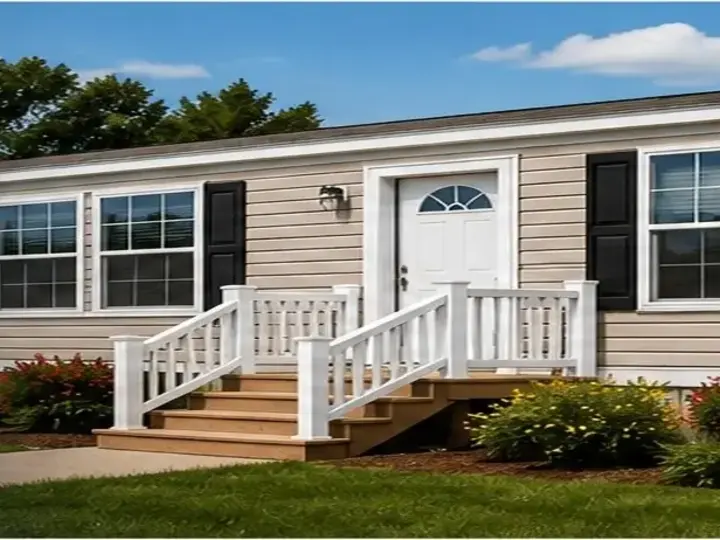
When you are buying an "as-is" manufactured home or mobile home and the purchase agreement contains an "AS IS" clause, there are several critical financial and physical realities to keep in mind. The seller is listing the home in its exact current state. From their perspective, if major structural or systemic items—such as the roof, appliances, electrical wiring, plumbing, or skirting—need to be repaired or completely replaced, they may expect you to accept that burden and cost. Your actual responsibilities depend on the purchase agreement and applicable law.
If you are already aware of necessary mobile home repairs and still choose to sign the purchase agreement, that is your choice as a buyer. However, if you complete an independent home inspection and an expensive, hidden defect pops up, you run into two major risks: the seller may refuse to fix it unless the contract requires otherwise, or the seller might agree to the repair but you forget to perform a final walkthrough inspection prior to closing.
Before you sign your closing documents, you want to resolve any inspection concerns and verify with the seller any agreed upon repairs. Do not assume the seller will help with repairs afterward. Any rights or remedies after closing depend on your purchase contract and applicable state law. The last thing you want is to move your family into a home with a leaking roof or unsafe electrical systems that you have to pay out of pocket to fix immediately.
For all "as-is" mobile home contracts, I highly recommend asking your real estate agent or a qualified real estate attorney to help negotiate a protective inspection and repair contingency directly in the purchase agreement. If the seller agrees, the written terms can require specified repairs for previously undisclosed defects identified in the home inspection report to be completed prior to closing. The agreement should also clearly provide for a final walkthrough on or before the day of closing to verify that all agreed repairs are fully completed and satisfactory.